The Complete Guide to Searing Sous Vide Steak for the Perfect Crust
The Complete Guide to Searing Sous Vide Steak for the Perfect Crust
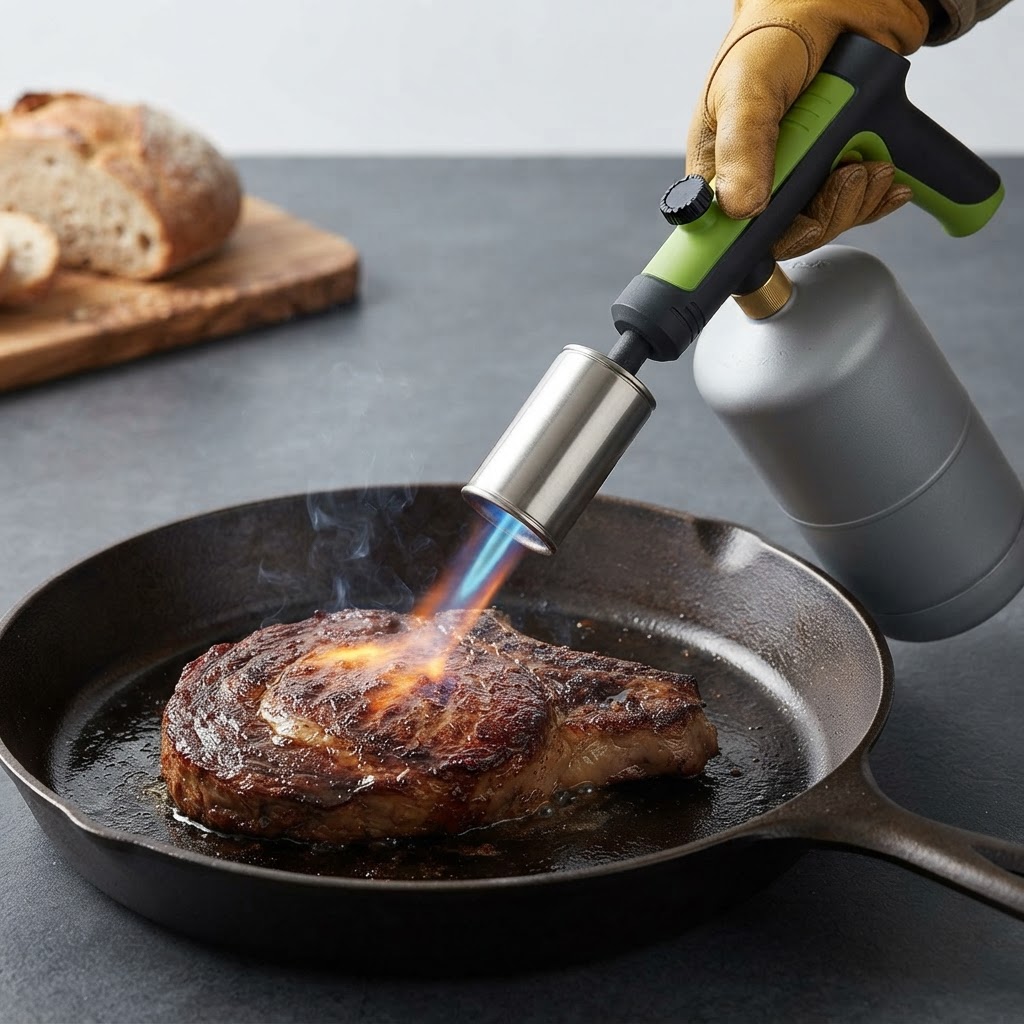
Sous vide cooking has revolutionized how home cooks and professional chefs prepare meat. By holding beef at precise temperatures, you guarantee edge-to-edge medium-rare perfection. However, sous vide missing one critical step: the Maillard reaction. Finding the best way to sear sous vide steak is essential to adding rich flavor and an appealing texture to your meal.
The Science Behind the Perfect Sous Vide Sear
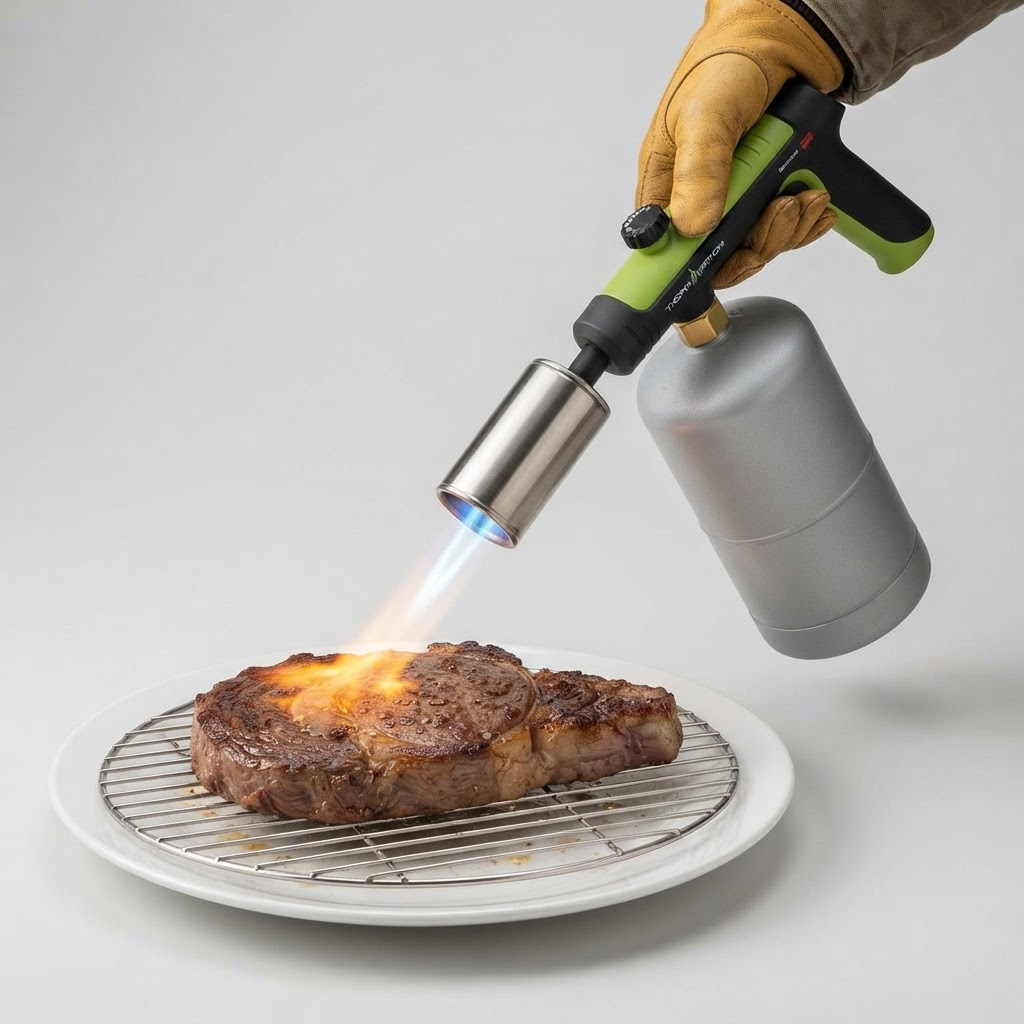
The Maillard reaction is a chemical reaction between amino acids and reducing sugars that gives browned food its distinctive flavor. Because sous vide cooking relies on warm water baths, meat comes out of the vacuum bag looking pale and unappetizing. To fix this, you must apply intense heat rapidly to brown the surface without penetrating the interior and destroying your evenly cooked gradient.
Moisture is the ultimate enemy of the Maillard reaction. Water requires a massive amount of energy to evaporate before browning can begin. Always pat your steak completely dry with paper towels prior to applying heat. For an even better crust, allow the meat to rest uncovered on a wire rack in the refrigerator for 10 to 15 minutes to dry out the exterior layer.
Primary Methods for Searing Sous Vide Meat
There are several popular methods for finishing sous vide beef:
- Cast Iron Skillet: Provides great surface contact but can smoke up the kitchen and risk overcooking the thin band under the crust.
- Charcoal Grill: Offers high heat and smoky notes, but requires long prep times and significant fuel.
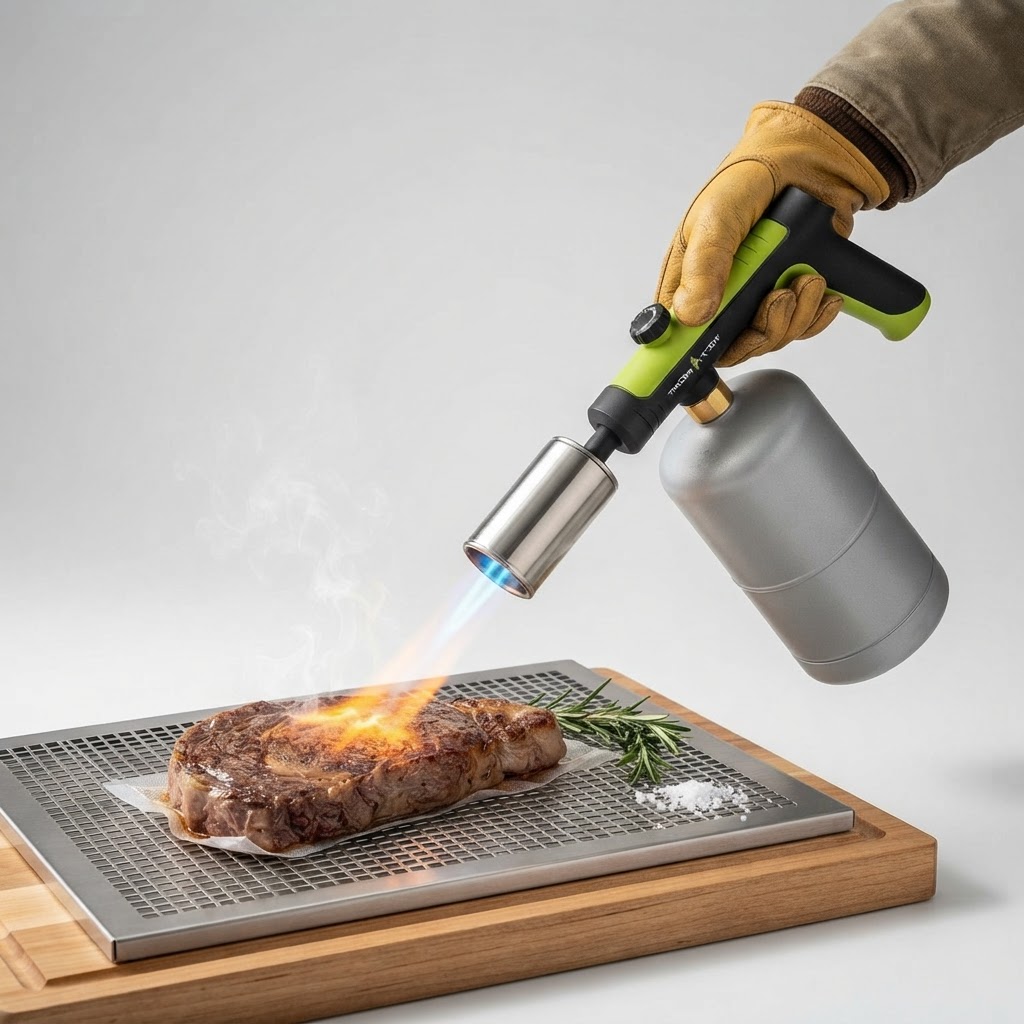
- Propane Flame Torch: Delivers immediate high heat targeting specific areas, minimizing thermal transfer to the interior core.
Why High-Heat Propane Torches Excel at Steak Finishing
Using an intense flame tool like the Adjustable Propane Cooking Flame Torch For BBQ And Outdoor Cooking gives you unmatched precision. Standard kitchen blowtorches often produce weak flames that take too long, heating the inside of the steak before creating a crust. A dedicated propane torch produces max flame temperatures reaching 2370°F (1300°C), searing the meat instantly.
This specific tool offers a lightweight structure at 7-9 oz, making it extremely easy to maneuver around thick cuts like ribeyes or tomahawks. Fueled by standard 14.1 oz propane canisters, it gives you 60-90 minutes of continuous burn time, allowing you to finish large batches of meat effortlessly.
Step-by-Step Technique for Torch Searing
To sear effectively with a propane flame, follow these steps:
Choosing the Right Equipment and Fuel
When picking a searing tool, construction material matters. The combination of durable brass and ABS construction ensures your equipment resists high thermal exposure during extended searing sessions. Furthermore, broad propane fuel compatibility ensures you can find replacement fuel canisters at local hardware or outdoor supply shops without hassle.
While high heat is vital, safety features like adjustable propane flame control allow you to throttle back energy when finishing delicate items or lighting charcoal starter chimneys in estimated [chimney height inches] setups.
Related in this cluster
- Torch Searing vs Cast Iron Searing for Sous Vide Steak
- How to Flame-Sear a Sous Vide Steak with a Propane Torch
- Propane Torches vs Butane Kitchen Torches for Sous Vide Finishing
- Frequently Asked Questions About Using a Propane Torch for Sous Vide
- 5 Common Mistakes When Searing Sous Vide Meat with a Torch
- How to Eliminate Torch Taste When Flame Searing Steak