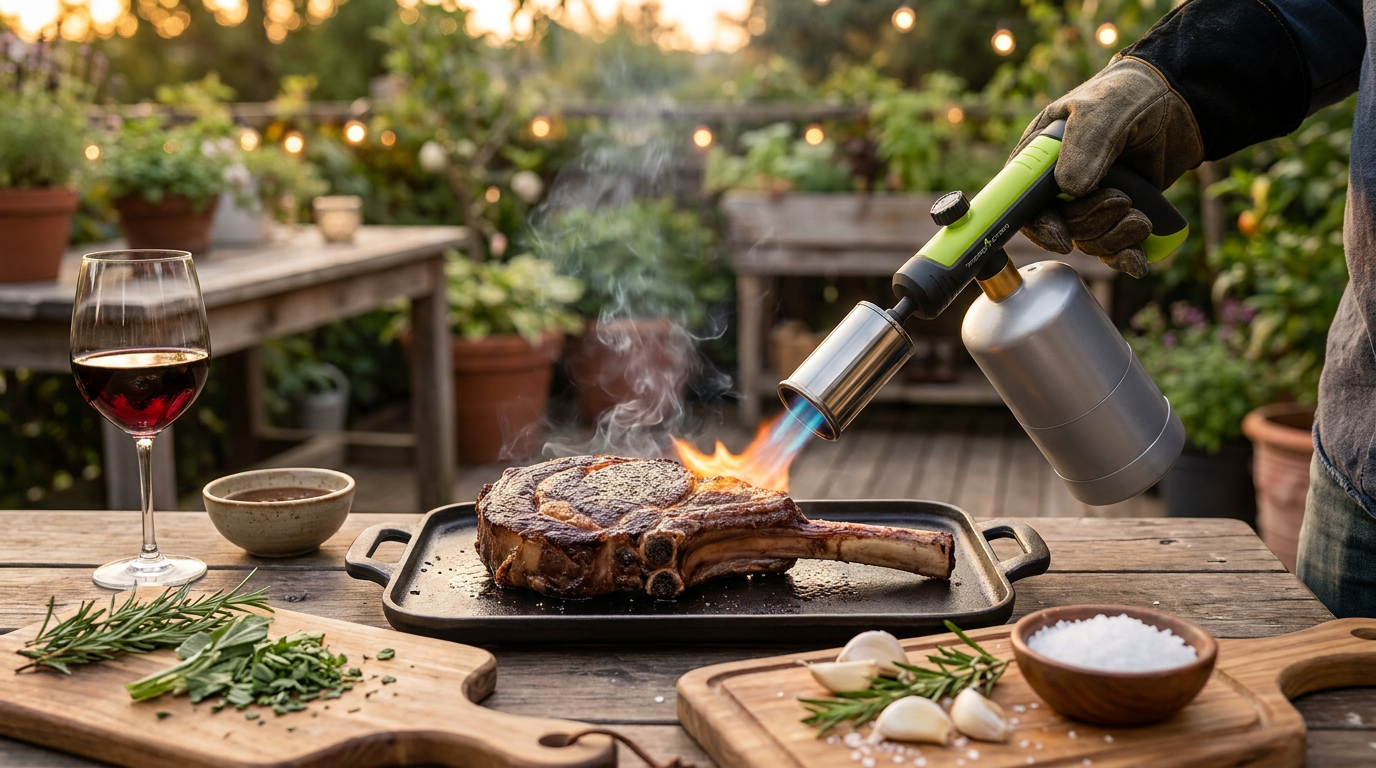
Why use the Adjustable Propane Cooking Flame Torch?
June 5, 2026 — The Adjustable Propane Cooking Flame Torch For BBQ And Outdoor Cooking provides a concentrated thermal output that exceeds standard kitchen lighters, making it essential for rapid Maillard reaction development on proteins.
Home cooks and professional chefs find themselves at a crossroads when they need to bridge the gap between a gentle simmer and a restaurant-quality crust. The weight of a propane-fueled tool offers a sense of control that smaller butane units often lack during heavy-duty outdoor sessions.
Does a propane torch reach higher temperatures than butane?
Yes, propane-fueled torches like the Adjustable Propane Cooking Flame Torch For BBQ And Outdoor Cooking generally produce a broader, more intense flame pattern suitable for larger surface areas. While many small butane torches are designed for delicate pastry work, propane units are built to withstand the rigors of the patio.
According to testing data from Serious Eats, high-intensity culinary torches can reach flame temperatures ranging from 2,000°F to 2,700°F. This level of heat allows for instantaneous char without overcooking the center of the food. An adjustable valve allows users to transition from a wide, roaring flame for searing to a pinpoint heat for lighting stubborn charcoal. Power at this level comes with a short, non-negotiable safety liturgy. Before the first ignition of any session, check the torch-to-cylinder connection for leaks — a brush of soapy water over the joint bubbles visibly if gas is escaping, and that ten-second test is the difference between a tool and a hazard. Work outdoors or in a seriously ventilated space, with a clear zone around the work: no overhanging branches or umbrellas above, no paper towels or oil bottles within arm's sweep, and the cylinder itself positioned so the flame never points back across it. Light with the valve barely open and throttle up from there rather than igniting at full flow. When the work is done, the discipline runs in reverse: valve fully closed, then let residual gas in the line burn out, then set the unit down somewhere the tip — which stays scorching long after the flame dies — cannot meet skin, tablecloth, or curious hands. None of this takes a minute total, and it is what separates confident torch cooking from the emergency-room anecdotes.
How does the adjustable flame improve cooking precision?
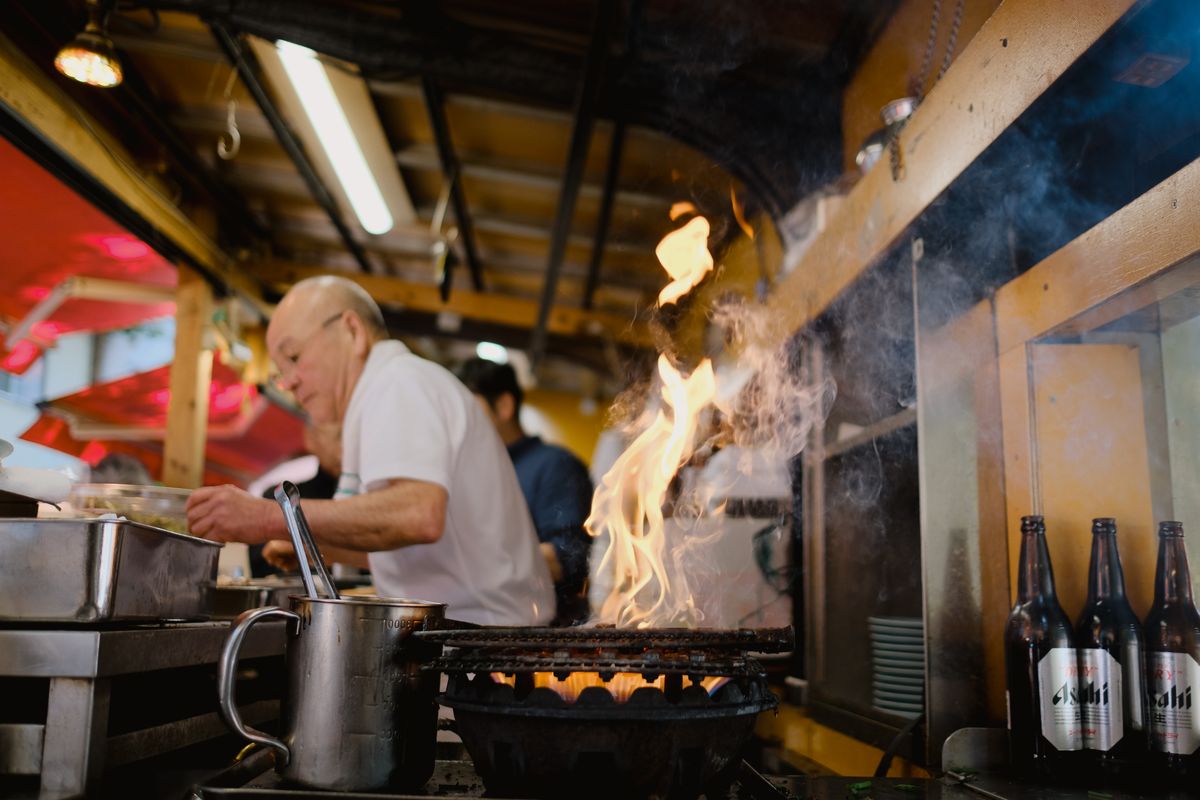
Photo by Ayyeee Ayyeee on Pexels
The ability to throttle the gas flow on the Adjustable Propane Cooking Flame Torch For BBQ And Outdoor Cooking ensures that heat application remains consistent regardless of ambient wind or fuel levels. Precision is about how well you manage energy. Professional-grade tools, such as those found in the Messermeister culinary torch collection, emphasize this balance between raw power and fine-tuned control for tasks like caramelizing sugars.
When working outdoors, wind often dissipates the heat of lesser tools, but the pressurized delivery of a propane system maintains its structure. This makes it a multi-functional asset, whether you are mastering the adjustable propane cooking flame torch for a creme brulee or using it as a bbq fire starter torch to ignite a pit in record time. Searing technique is mostly two disciplines: surface prep and flame motion. Moisture is the enemy of the crust — a patted-dry steak or scallop chars in seconds, while a wet surface spends the torch's energy boiling instead of browning — so the paper-towel step before the flame does more for the result than any temperature spec. Then keep the flame moving in slow, overlapping passes the way spray paint is applied, with the inner blue cone's tip just off the surface; parking the flame on one spot builds carbon bitterness rather than color. Read the flame itself as your gauge: a tight blue cone is complete combustion and clean flavor, while lazy yellow tips mean unburnt fuel — throttle the valve until the blue returns before the flame touches food. For thick cuts, the torch partners with rather than replaces conventional cooking: bring the interior to temperature gently first, then torch the exterior at the end. The reverse order — torching cold protein — produces the classic disappointment of a burnt surface over a raw center.
Quick answers
Q: What is the maximum temperature of a high-heat propane cooking torch? A: Most high-intensity propane torches, such as the Bernzomatic TS8000 often used with searing attachments, reach temperatures between 2,100°F and 3,000°F for nearly instant searing.
Q: Can I use this torch for lighting charcoal? A: Yes, the Adjustable Propane Cooking Flame Torch For BBQ And Outdoor Cooking is frequently utilized as a bbq fire starter torch because its high output can ignite lump charcoal in under 60 seconds.
Q: Is it safe to use propane torches directly on food? A: When used with a fully oxidized blue flame, propane is a clean-burning fuel that leaves no "off-flavors." Tests by Serious Eats confirm that as long as the flame is adjusted to avoid unburnt gas, it is standard practice in professional kitchens.
Learn more about Adjustable Propane Cooking Flame Torch For BBQ And Outdoor Cooking at https://cookingflametorch.com.
Storing the rig between cookouts
Propane's storage rules are stricter than the torch's, and they are worth stating plainly. Cylinders live outdoors or in a detached, ventilated shed — never in the house, the basement, or the car trunk, where summer heat turns a parked sedan into a pressure test nobody scheduled. Store them upright with the valve closed, away from ignition sources and out of direct sun. The torch head, detached from the cylinder for storage, is happier indoors in a dry drawer.
Two pre-season checks earn their thirty seconds each spring. First, inspect the torch tip and venturi openings for the classic propane-equipment stowaway: spiders, whose webs in the gas path cause the sputtering, uneven flame that owners misdiagnose as a failing regulator — a soft brush or a sharp puff of air clears the nest. Second, repeat the soapy-water leak check on the first connection of the year, since seals that sat through a winter deserve fresh scrutiny. A rig maintained this way outlasts its owner's patience for recipes; the failures in this category are almost always storage failures wearing a hardware costume.
Sources
Photo by Anna Shvets on Pexels