The Propane Torch Test That Changed How I Sear Outside
 Jordan HaleStaff Writer
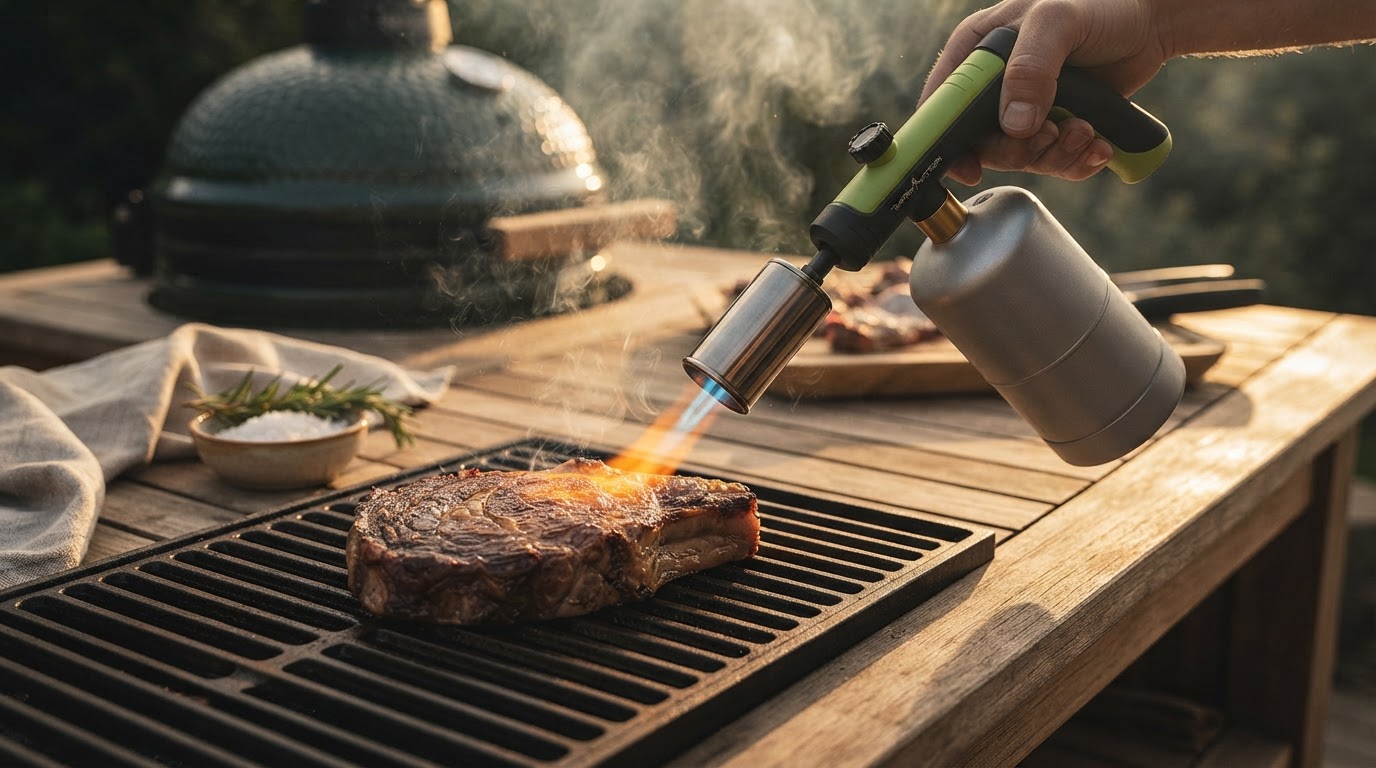
I changed my outdoor searing routine after a 12-minute side-by-side test showed a propane cooking torch browned steak edges in 70–95 seconds while my covered gas grill took 6 minutes to catch up on the same visual crust. That gap sounds obvious—fire is hot—but the useful lesson was not “more flame is better.” It was that flame distance, oxygen, and surface dryness mattered more than I expected.
I sell and use an adjustable propane cooking flame torch for BBQ and outdoor cooking, so I’m biased toward the tool. But I’m also the person who has scorched rosemary, blackened a brisket corner, and learned that a torch can make food look done before it is safe. This guide is the way I actually evaluate a cooking flame torch now: not as a gimmick, not as a weed burner in disguise, but as a controlled finishing tool for outdoor cooking.
What I observed in my backyard test
I ran this test on a dry evening with a standard 20 lb propane cylinder, an adjustable flame torch, a cast-iron grate, and similar pieces of meat and vegetables. I used an instant-read thermometer for internal temperature and an infrared thermometer only for surface comparison. Infrared readings on shiny, wet, or uneven food are imperfect, so I treated them as directional, not laboratory-grade data.
My measured field notes
| Test item | Torch setting and distance | Time to visible browning | Internal temp change | What I learned | |---|---:|---:|---:|---| | 1-inch steak strip, patted dry | Medium-high flame, 5–6 inches away | 70–95 sec per side | +7°F to +11°F | Fast crust without much overcooking if the meat is already near serving temp | | Same steak strip, damp surface | Medium-high flame, 5–6 inches away | 2 min 20 sec+ | +16°F | Moisture stole heat and delayed browning | | Pork belly cube | Medium flame, 7 inches away | 55–75 sec | Fat rendered fast; flare risk increased | Short passes beat a stationary flame | | Corn ribs brushed with oil | Medium flame, 6 inches away | 90 sec | N/A | Oil helps color but can ignite if over-applied | | Cast-iron grate preheat assist | High flame, sweeping motion | 2 min to visibly hotter grate zone | N/A | Useful for spot-heating, not a substitute for full grill preheat | | Crème brûlée sugar outdoors | Low-medium flame, 3–4 inches away | 35–50 sec | N/A | Smaller flame and closer control worked better than brute force |
The surprising part was the damp steak. I knew moisture slowed browning, but seeing the torch spend more than twice as long on a wet surface made me stricter about drying food before searing. If you only take one technique from this article, take that one: pat the surface dry, salt ahead when appropriate, and use the torch as a finisher rather than a dryer.
The science buyers rarely think about: browning is not the same as doneness
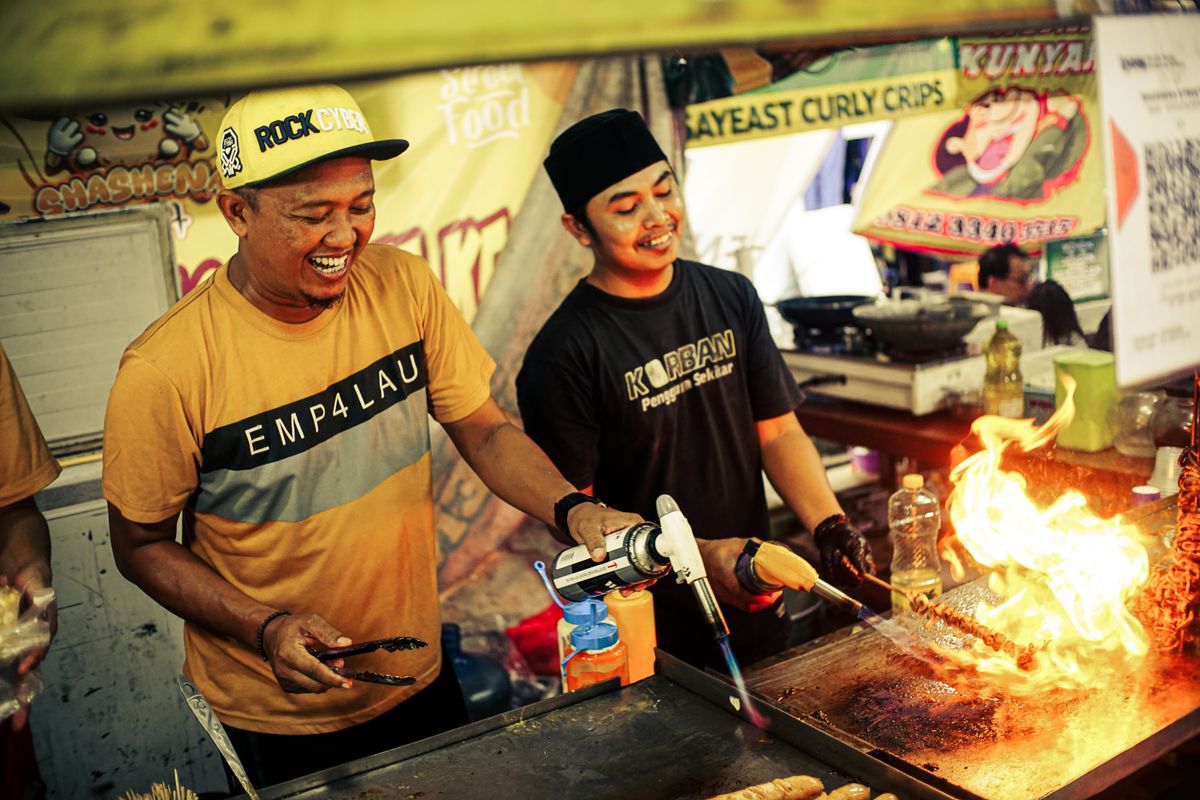
Photo by Jauhar Musthofal Qulub on Pexels
The Maillard reaction—the browning chemistry that creates roasted, nutty, savory flavors—accelerates at high surface temperatures. A propane torch can deliver those surface conditions quickly. But a browned surface does not guarantee the center of a steak, chicken thigh, or pork chop is at a safe internal temperature.
That distinction matters. The USDA Food Safety and Inspection Service recommends cooking poultry to 165°F and whole cuts of beef, pork, lamb, and veal to 145°F with a rest time. A torch is excellent at finishing the exterior, but it is a poor substitute for measuring internal temperature.
The National Fire Protection Association has also reported that grills and related outdoor cooking equipment cause thousands of home fires per year in the United States. I do not use that statistic to scare people away from outdoor cooking. I use it to remind myself that a torch deserves the same respect as a grill burner, side burner, or fryer.
My take: a propane torch is better after the cook, not before it
Counter to what you’ll read elsewhere: I do not think the main value of an adjustable cooking torch is “instant high heat.” The real value is separation of tasks.
I want my smoker, grill, oven, or sous vide bath to handle doneness. I want the torch to handle surface texture and color at the end. When I reverse those roles—trying to cook thick food from raw with open flame—I get a beautiful outside and a questionable middle.
That is why I use this decision rule:
- Thick proteins: cook first, torch last.
- Thin vegetables: torch can cook and char at the same time.
- Fatty foods: lower flame, more motion.
- Sugary foods: smaller flame, closer attention.
- Anything poultry: thermometer first, torch second.
Why adjustability matters more than maximum flame
When people compare propane torches, they often ask about flame size. I care more about the low-to-medium range. A huge flame can light charcoal, blister peppers, and crisp pork skin. But the meals I repeat most often—steak finishing, chicken skin touch-ups, grilled pineapple, corn, and cast-iron grate recovery—need control.
An adjustable propane cooking flame torch lets me change three things quickly:
That last point matters. Fat is fuel. If I hold a strong flame still over pork belly or chicken skin, I can create a flare that tastes bitter instead of crisp. I get better results with a moving flame, a little distance, and repeated passes.
A simple decision framework before buying or using one
Here is the framework I wish I had used earlier.
1. Decide whether you need finishing power or cooking power
If you want to finish steaks, crisp ribs, blister vegetables, toast meringue, caramelize sugar, and light charcoal, a propane cooking torch makes sense. If you want to cook whole raw chickens with it, you are asking the wrong tool to do the wrong job.
2. Match the torch to a standard propane cylinder
For outdoor cooking, I prefer a torch that connects to a common propane tank rather than a tiny culinary butane torch. Small butane torches are fine for dessert. A propane flame torch gives me longer runtime and more practical heat outdoors, especially in wind.
3. Check for a stable grip and controllable valve
I look for a handle that keeps my hand away from the nozzle, a valve I can adjust while wearing gloves, and a hose length that lets the cylinder stay upright and away from the direct cooking area.
4. Think about shutoff behavior
Before I cook, I practice opening, adjusting, and closing the torch without food involved. The shutoff should feel obvious. If I have to think about which way to turn the valve during a flare, I waited too long to learn the tool.
5. Plan the landing zone
A hot torch nozzle needs somewhere safe to rest. I use a metal table edge, a grill side shelf only if it is heat-tolerant, or bare concrete away from children, pets, leaves, paper towels, and plastic cutting boards.
My outdoor torch checklist
Before lighting:
- Use the torch outdoors only, with clear airflow.
- Keep the propane cylinder upright.
- Inspect the hose and fitting for obvious wear, cracks, or damage.
- Keep the flame away from the propane cylinder and hose.
- Move paper towels, cardboard packaging, aerosol cans, dry leaves, and alcohol-based sprays away from the cook area.
- Have long tongs, heat-resistant gloves, and a working food thermometer nearby.
- Know how you will shut off the flame before you ignite it.
- Start lower than you think you need.
- Use sweeping passes instead of holding the flame still.
- Keep the blue inner cone of the flame from sitting directly on one spot of food.
- Watch fat drips and oil shine; both can flare.
- Stop torching before the color looks perfect, because carryover heat and residual sizzling continue briefly.
- Close the valve fully.
- Let the nozzle cool before storage.
- Disconnect the cylinder according to the product instructions.
- Store propane outdoors or in a well-ventilated area consistent with local codes and manufacturer guidance, not in a living space.
Foods where the torch earns its place
Steak after sous vide or reverse sear
This is my most reliable use. I cook the steak gently first, dry it thoroughly, then torch the surface in fast passes. I still like a ripping-hot cast-iron pan, but outdoors the torch avoids smoke in the kitchen and lets me hit edges and fat caps that pans miss.
Brisket edges and rib bark touch-ups
A torch can revive slightly soft bark after wrapping or holding. I use a medium flame and stay patient. If the rub contains much sugar, I keep the flame moving to avoid bitter black spots.
Chicken skin, cautiously
Chicken skin can crisp beautifully, but poultry is where I am strictest about internal temperature. I never use the torch to “finish” undercooked chicken. I cook it safely first, then use the flame only for skin texture.
Peppers, corn, onions, and pineapple
Vegetables and fruit are forgiving because I am often looking for char, blistering, or caramelization rather than a precise internal temperature. Corn ribs and pineapple spears are especially good because the torch creates browned high spots while leaving juicy centers.
Dessert outside
A propane torch can absolutely handle crème brûlée, meringue, and sugar crusts, but I turn the flame down. High output is not finesse. A smaller, controlled flame gives me even caramelization instead of burnt sugar freckles.
Where I avoid using it
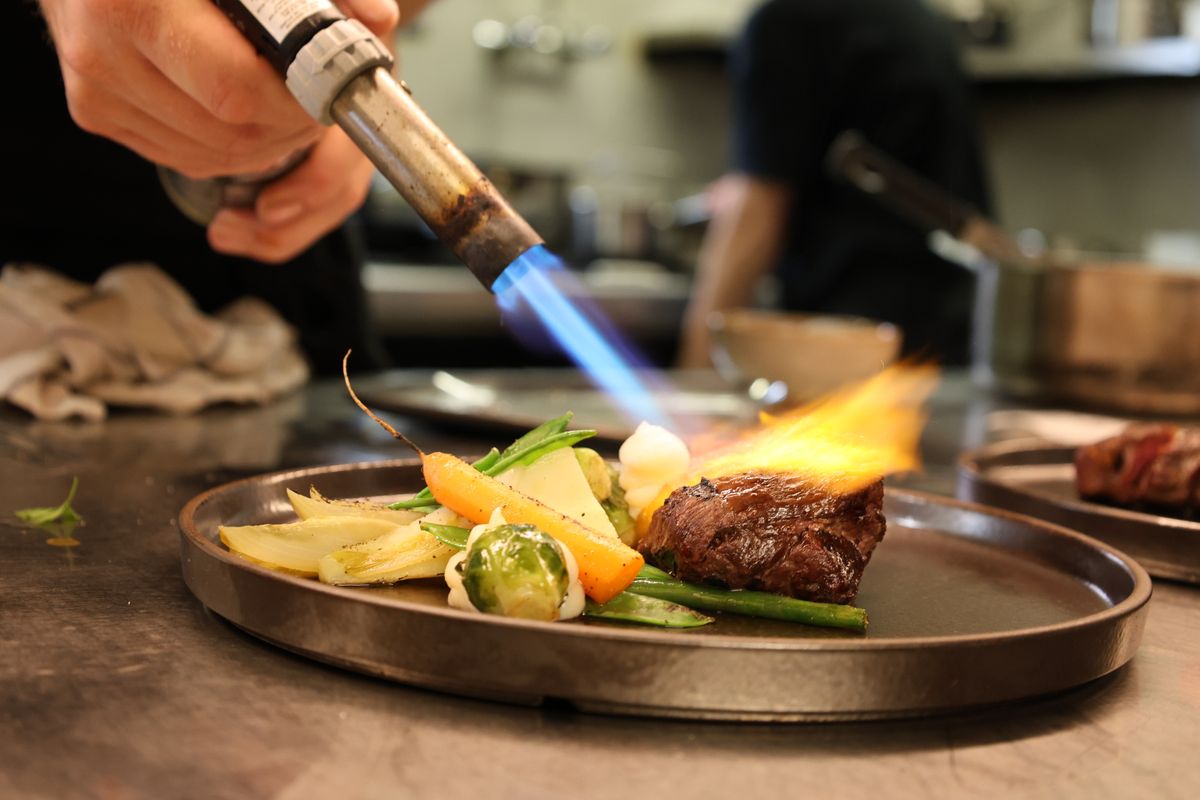
Photo by Peter Butseraen on Pexels
I do not torch near vinyl siding, dry mulch, low branches, tablecloths, or windy corners where flame direction gets unpredictable. I also avoid torching food sitting on thin disposable aluminum pans because they flex, spill fat, and encourage bad hand positioning.
I am cautious with marinades high in sugar, honey, or alcohol. Sugar burns fast; alcohol vapors can ignite. If I use a sweet glaze, I apply it late and torch lightly.
Food safety still comes down to temperature
The NIH and peer-reviewed food safety literature repeatedly point to the same general reality: surface treatment is not the same as whole-food safety. Pathogens and risk vary by food type, handling, grind status, and temperature history. Ground meat is especially different from intact steak because bacteria can be distributed through the product.
For that reason, my torch routine always includes an instant-read thermometer. I care more about internal temperature than surface color. The torch is for flavor, appearance, and texture—not for guessing safety.
A note on materials and standards
For products that connect to fuel gas, I pay attention to basic construction and safe-use instructions. Standards organizations such as ASTM and ISO publish many test methods and safety frameworks around materials, gas equipment, and risk management. Consumers do not need to read every standard before buying a torch, but the broader point is important: fuel-burning tools should be treated as equipment, not kitchen decor.
If a torch feels flimsy, has unclear instructions, or gives you poor control over fuel flow, I would pass. Heat output is easy to advertise. Predictable control is harder to fake.
My practical technique for a cleaner sear
Here is the exact flow I use for steak, pork chops, and similar proteins:
That sequence has reduced my overcooked gray bands and bitter char. It also makes the torch feel like a precise outdoor cooking tool instead of a dramatic prop.
FAQ
Can I use a propane cooking torch directly on food?
Yes, when it is a cooking-appropriate torch used outdoors and operated according to its instructions. The key is technique. Keep the flame moving, avoid excessive fuel flow, and do not let the torch replace proper cooking for foods that need verified internal temperatures. I use it as a finishing tool for browning, crisping, blistering, and caramelizing.
Does propane leave a taste on food?
In normal use with a properly adjusted flame, I do not notice a propane taste. Off flavors usually come from scorching fat, burning sugar, using a dirty surface, or holding the flame too close and too still. A clean, mostly blue flame and steady motion help. If you smell unburned gas strongly, stop and check the setup before cooking.
Is a propane torch better than a butane kitchen torch?
For outdoor BBQ, I prefer propane because it offers more practical heat and longer runtime with a standard cylinder. A small butane torch is convenient for indoor desserts, but it feels underpowered for brisket bark, multiple steaks, charcoal lighting, or windy patios. The tradeoff is that propane torches require more space, more caution, and outdoor handling.
Can a torch replace a grill or smoker?
Not for most real meals. A torch is excellent for surface work, but a grill or smoker manages broader cooking: rendering, internal temperature, smoke exposure, and even heat over time. I see the torch as a finishing burner. It solves the last 5% of texture and color, not the whole cook.